Coastal Stonework Fortification: Defending Luxury Hardscapes Against Rhode Island’s November Freeze-Thaw Cycles
Safeguarding Architectural Masonry Through Late-Autumn Ground Transitions
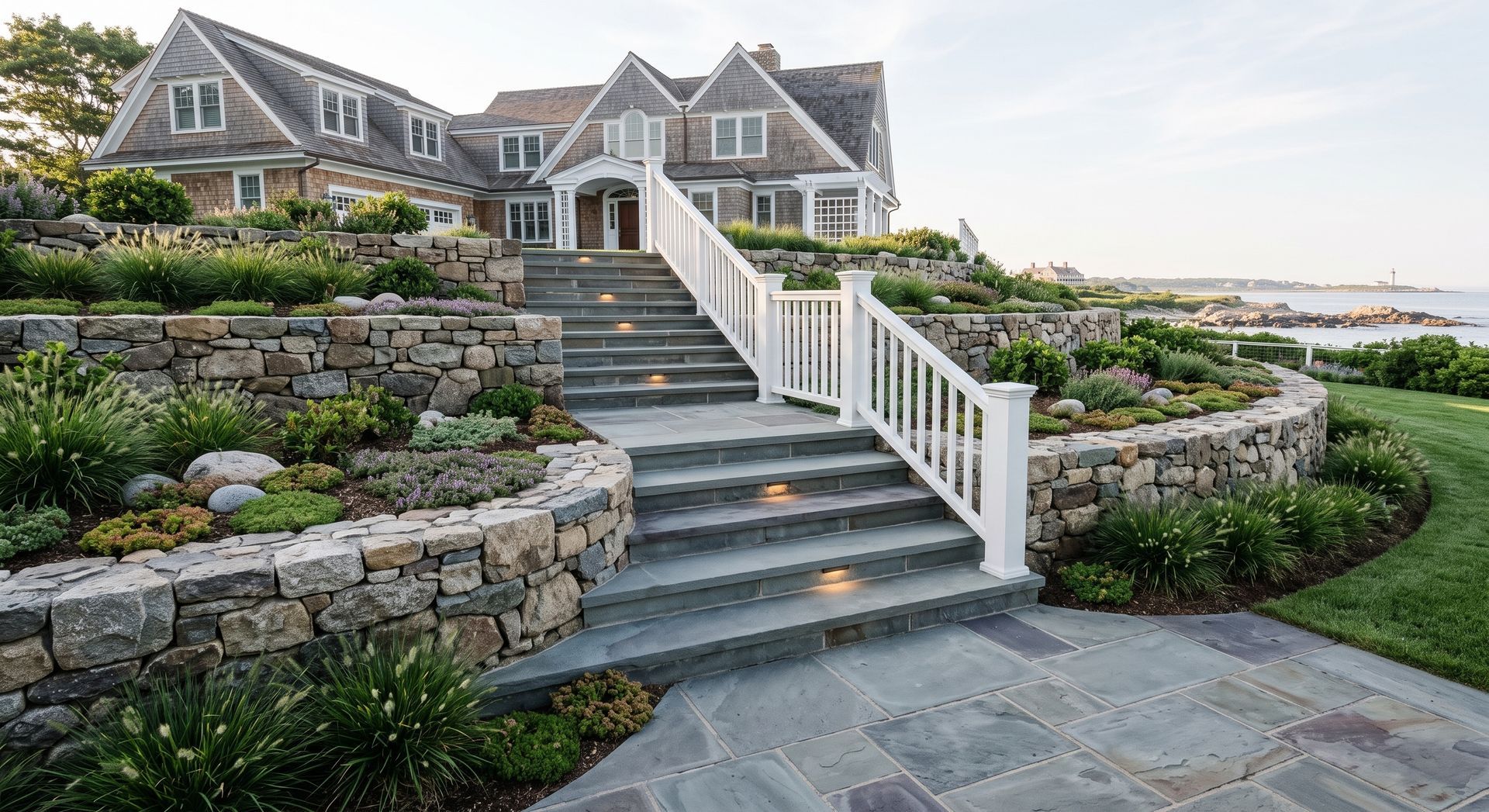
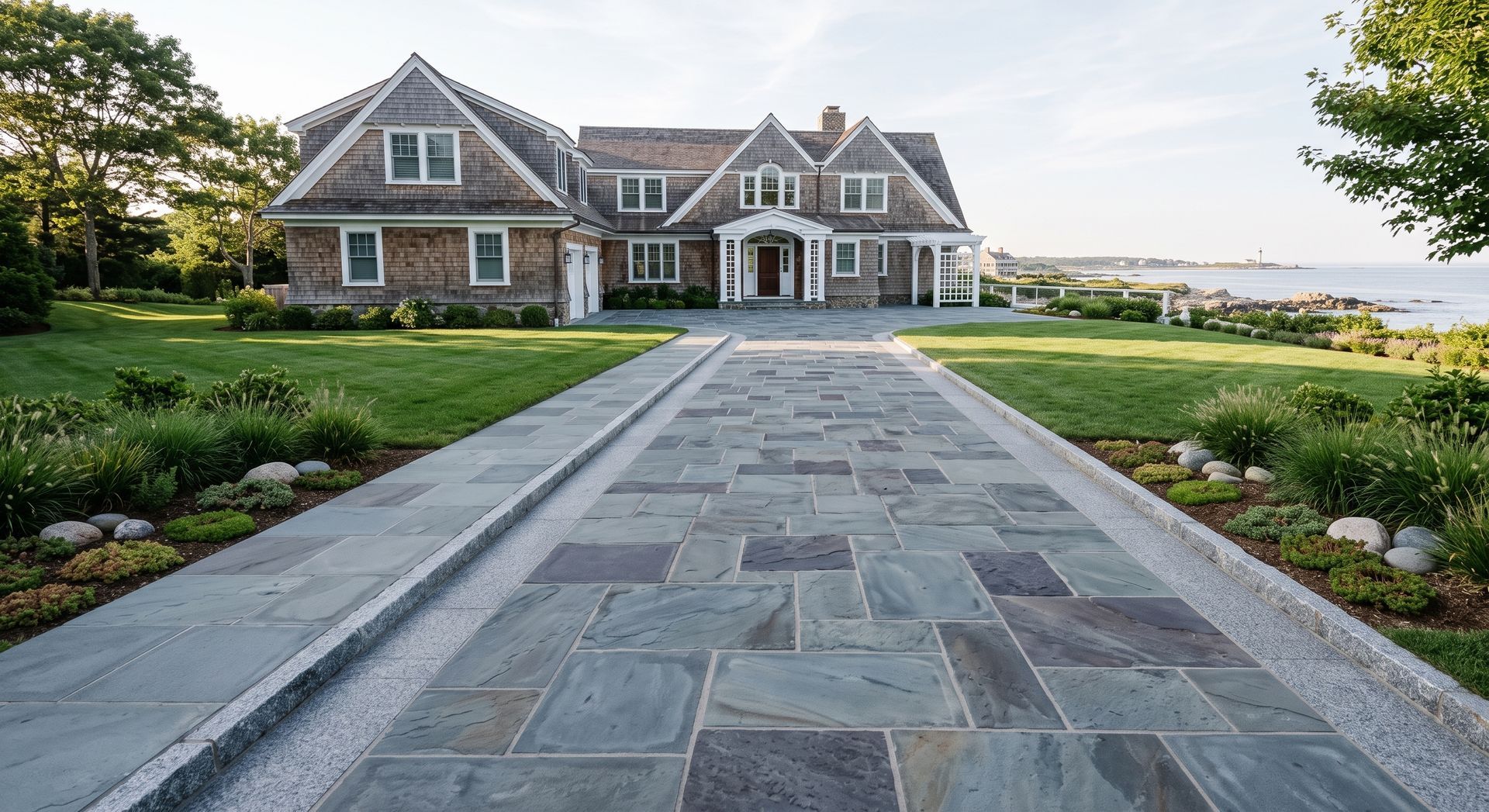
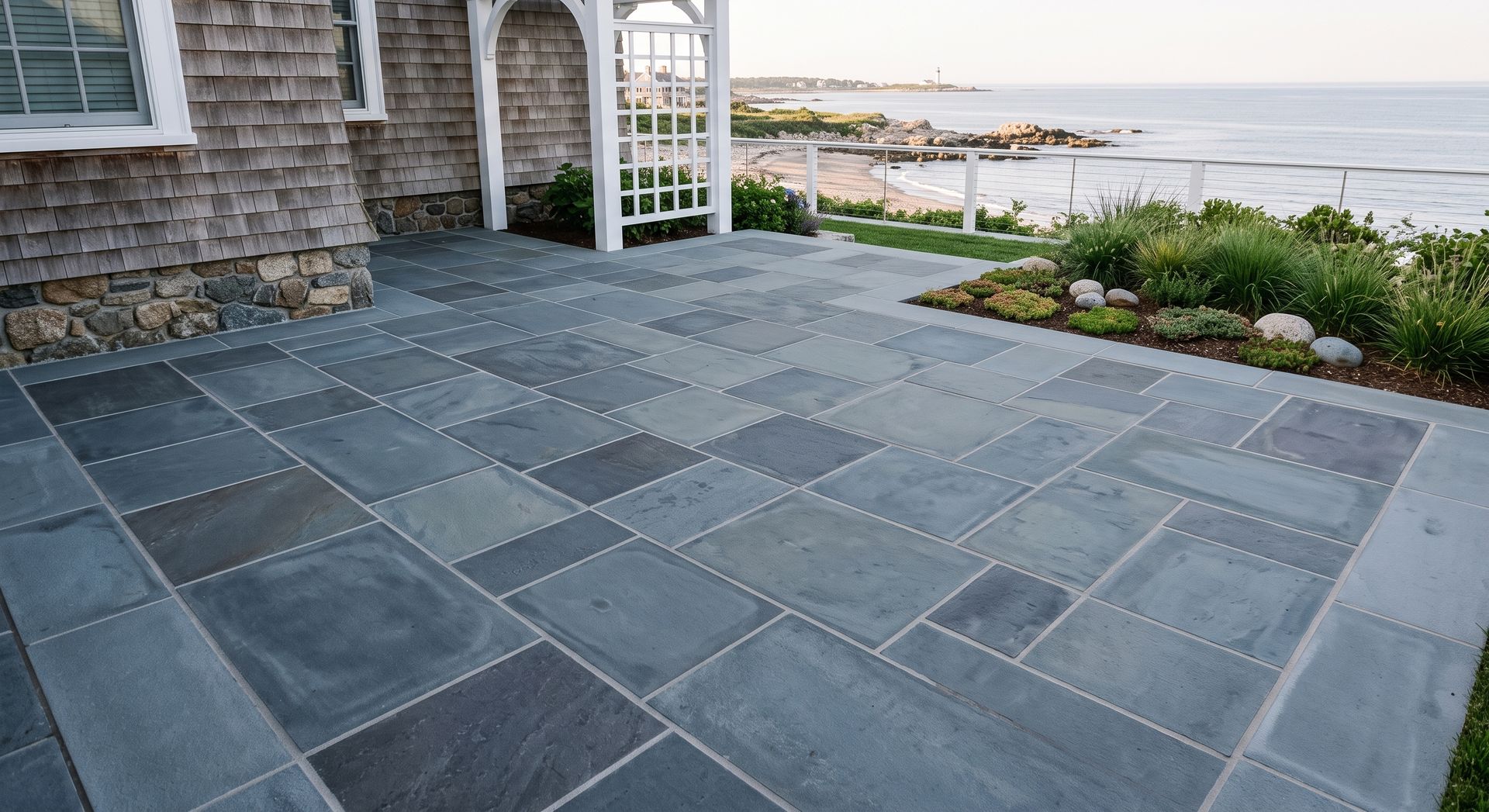
November along Rhode Island’s shoreline introduces a severe hydrological challenge to luxury hardscapes. From the historic granite retaining walls of Newport to the expansive bluestone terraces overlooking Narragansett Bay in Jamestown and Middletown, estate stonework absorbs intense late-autumn rain before facing overnight temperature drops well below freezing. When moisture penetrates unsealed joints or pools behind structural retaining walls, the expanding ice exerts thousands of pounds of pressure per square foot. Without proactive, technical winterization during this narrow November window, micro-fissures rapidly become costly structural failures by spring.
Estate managers often overlook the subterranean dynamics of custom masonry, assuming stone requires little seasonal intervention compared to fine turf and delicate plantings. However, November freeze-thaw cycles exploit any deferred maintenance in pointing mortar, drainage aggregates, and polymer joint sands. Protecting exterior capital investments demands a specialized, engineering-first hardscape preservation strategy tailored to maritime coastal conditions.
The Mechanics of Coastal Freeze-Thaw Degradation
The transition from autumn to winter in southern New England is rarely a gentle, continuous freeze. Instead, November brings fluctuating freeze-thaw cycles driven by maritime air masses colliding with continental cold fronts. Unsealed stone absorbs ambient moisture during daytime thaws, which freezes and expands by approximately nine percent overnight. This hydraulic pressure breaks down mortar bonds, heaves dry-laid flagstone, and destabilizes structural retaining walls.
Salt-laden coastal winds exacerbate this deterioration. Airborne marine salts penetrate porous limestone, travertine, and sandstone surfaces, crystallizing within the stone matrix through subflorescence. Left unmitigated before the first sustained ground frost, this process spalls stone facings, erodes decorative coping, and degrades pool deck copings throughout Newport County.
Comprehensive November Hardscape Protection Framework
Preserving architectural hardscape equity requires a systematic sequence of diagnostic inspections, deep-cleansing decontaminations, joint stabilization, and targeted moisture barriers executed before sustained freezing temperatures set in.
1. Subsurface Hydrostatic Pressure Mitigation
- Drainage Flushes: High-pressure flushing of weep holes, perforated foundation pipes, and catch basins behind engineered retaining walls to prevent saturated backfill from freezing into an unyielding, heaving mass.
- Grading and Swale Clearance: Clearing dense late-fall leaf litter from swales and channel drains adjacent to stone patios, ensuring surface runoff moves away from foundations.
2. Joint Reinforcement and Elastomeric Sealing
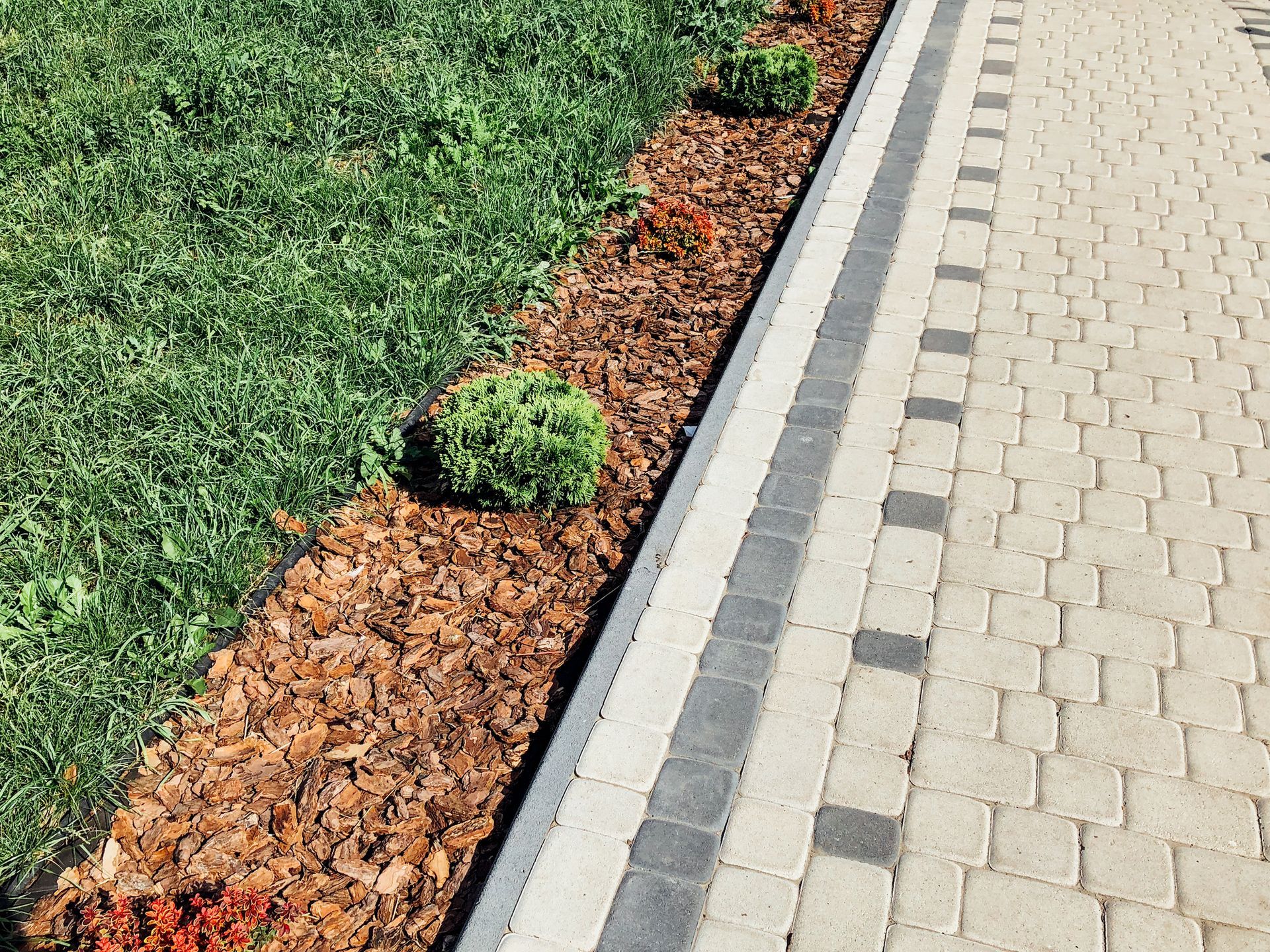
- Mortar and Sand Inspection: Detailed inspection of mortar joints, coping stones, and polymeric sand seams across all outdoor living terraces, steps, and pool surrounds.
- Vapor-Permeable Joint Sealing: Application of breathable, penetrating silane-siloxane sealers that repel liquid water while allowing internal stone vapor to escape freely without causing spalling under frost conditions.
3. Mechanical Hardscape Winterization
- Outdoor Kitchen and Fire Feature Decommissioning: Purging water lines to outdoor bars, isolating gas lines, winterizing outdoor sinks, and installing fitted marine-grade covers across natural stone cooking islands.
- Fountain and Water Wall Draining: Complete blowouts of water features, safe removal of submersible pumps, and installation of non-pooling protective covers to prevent standing ice accumulation
The Engineered Exterior Standard
Relying on generic landscape laborers to winterize intricate architectural stone, imported granite, and high-tolerance bluestone terraces introduces significant financial risk. Specialized estate hardscape preservation requires professionals who understand civil drainage, polymer chemistry, and the geological properties of native Rhode Island stone.
Our teams integrate mechanical expertise with civil site engineering to safeguard estate hardscapes. We assess thermal contraction coefficients, evaluate subterranean water table levels, and execute preventive preservation protocols that maintain structural alignment and aesthetic perfection across the harshest coastal winters.
Secure Your Estate Hardscapes Before the Ground Freezes
Prevent sub-surface ice damage, stone shifting, and unsealed joint deterioration across your terraces, retaining walls, and outdoor living areas. Ensure your exterior structures remain stable, pristine, and structurally sound through winter's onset.
Schedule a technical hardscape and drainage assessment across Newport, Middletown, Portsmouth, or Jamestown by contacting our client directors to integrate structural stone protection into your estate care program.